Keywords : pigmentation treatment in Songdo, melasma, age spots, hyperpigmentation, sun protection |
At Songdo Human Dermatology, we often hear patients say, "I want to get rid of the dark spots on my face." But pigmentation is not just one condition. Medically, the term covers pigmentary disorders in which melanin — the brown pigment that determines skin color — builds up in excess, and each type has its own causes and its own treatment approach.
Not All Facial Pigmentation Is the Same
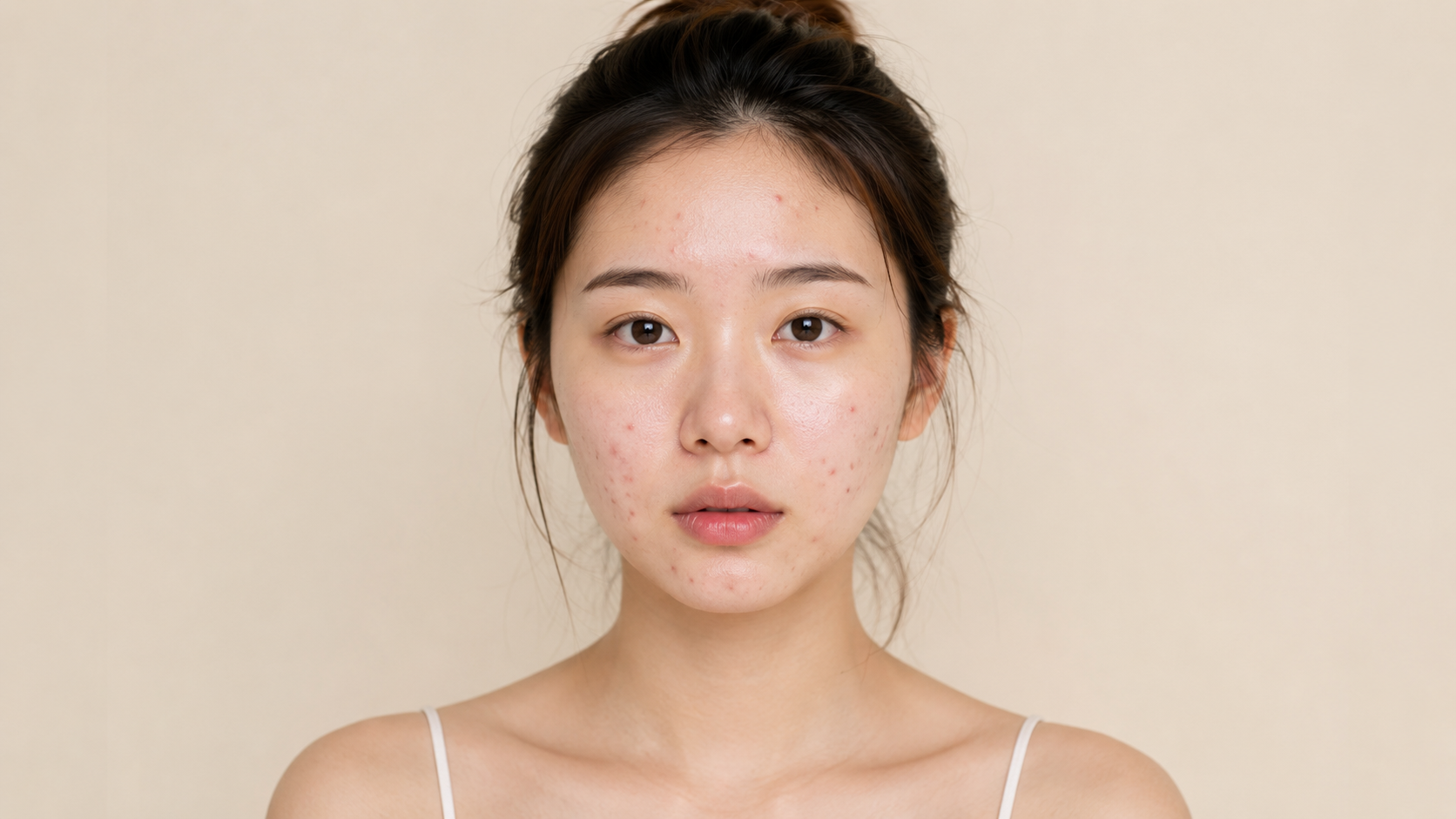
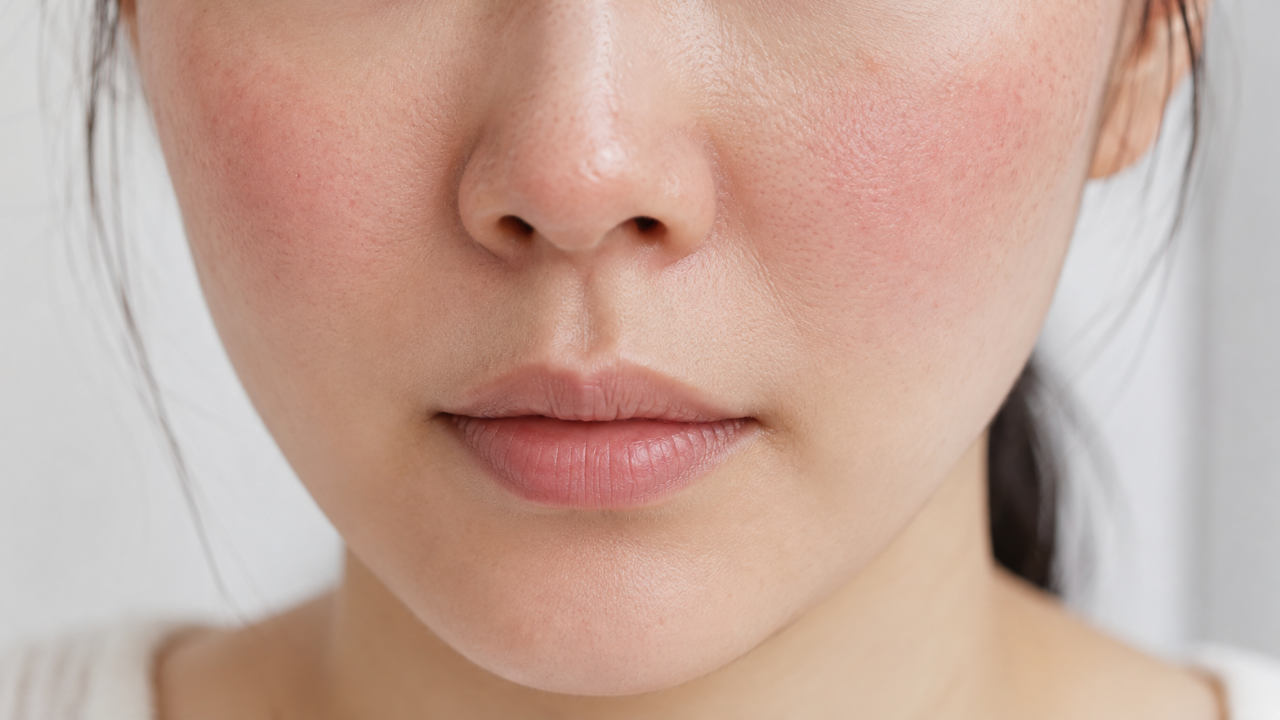
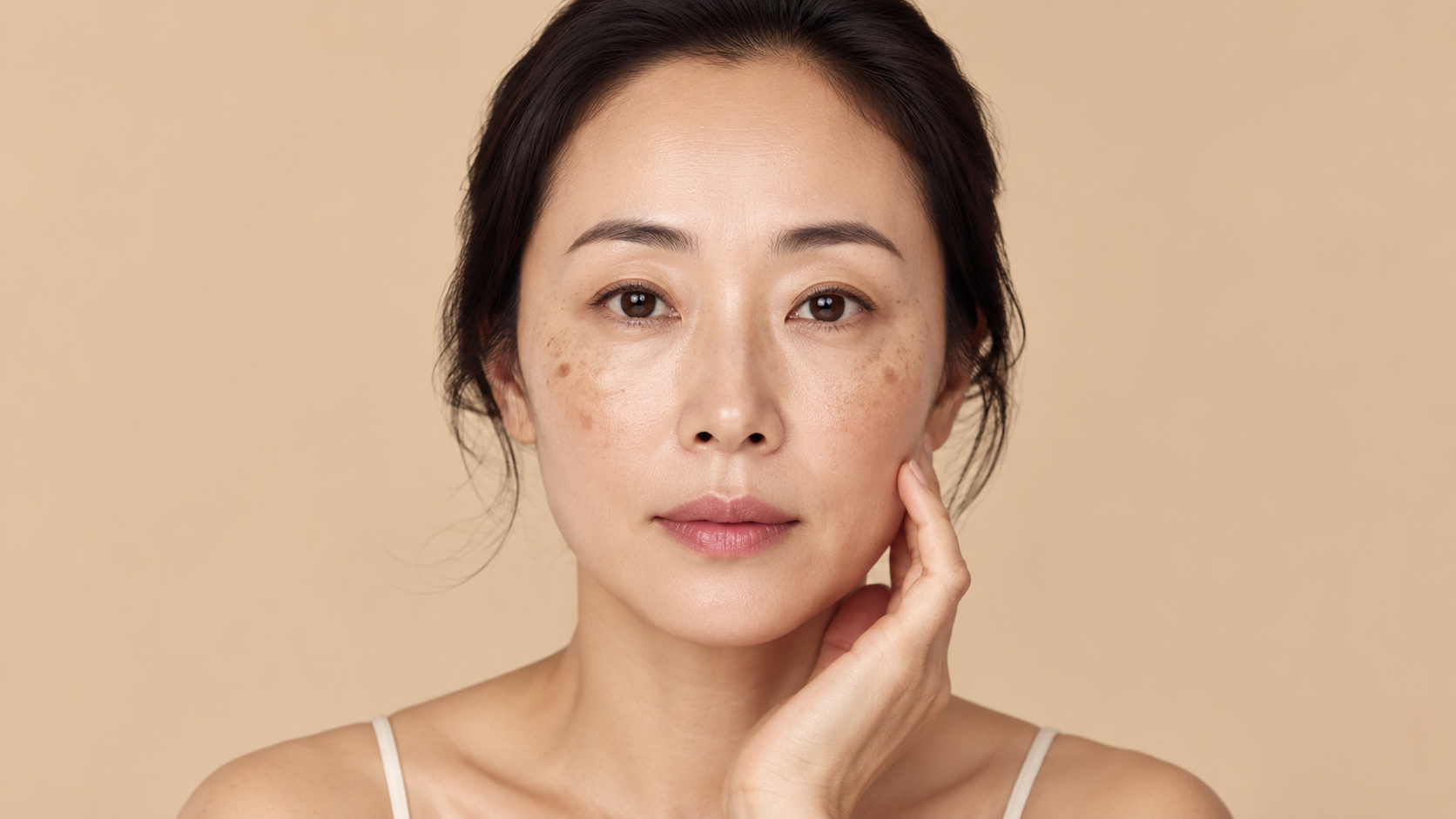
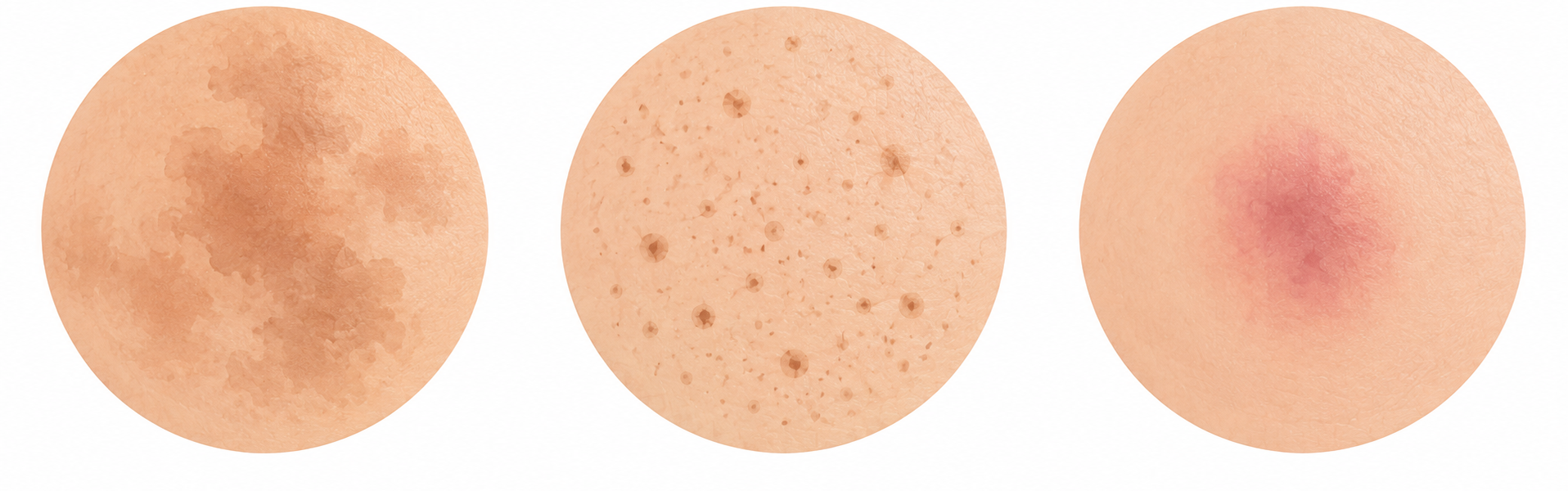
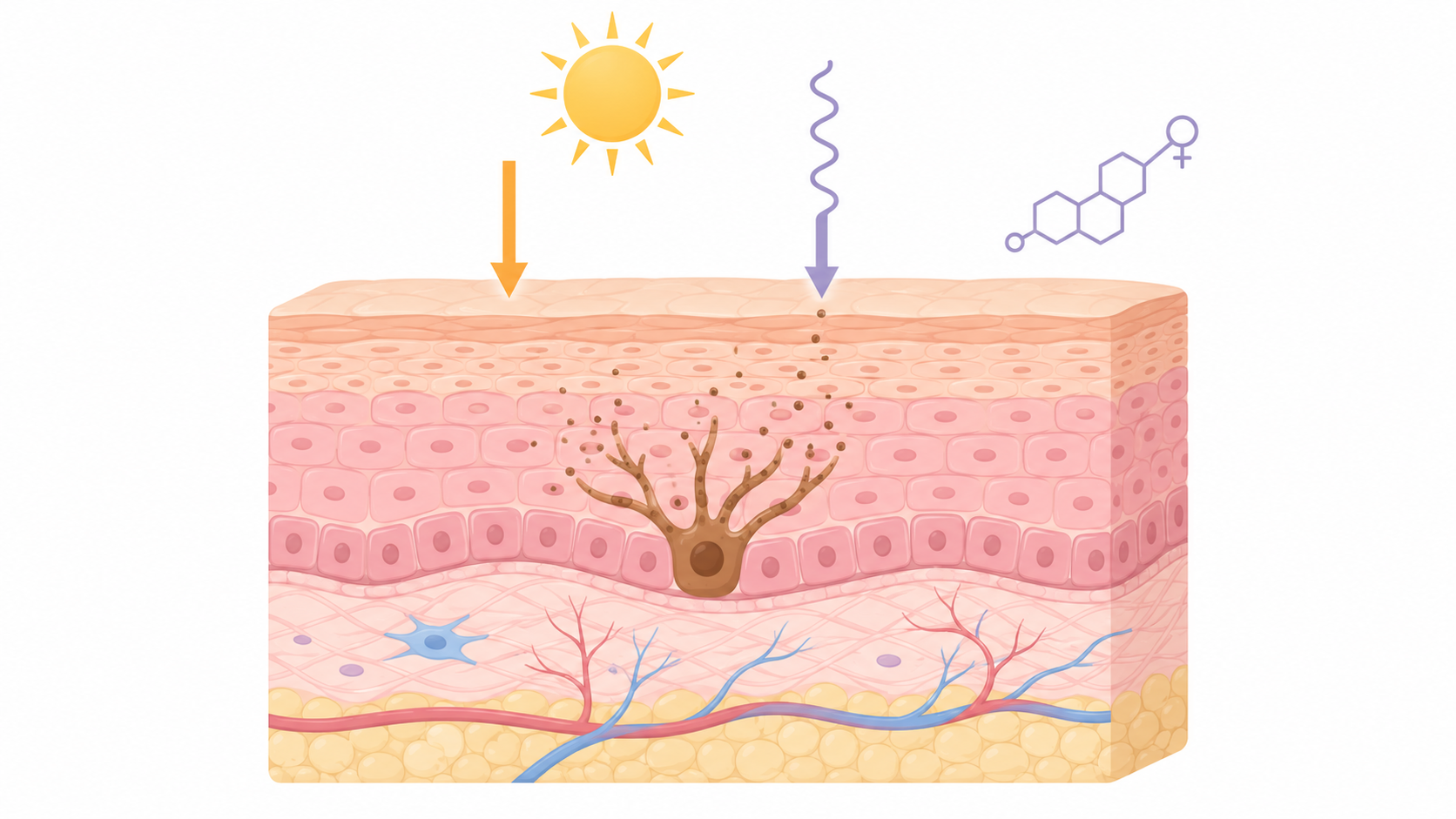
Even the most common types differ quite a bit from one another. Melasma appears as symmetric brown patches around the eyes and across the cheeks and forehead, while age spots (solar lentigines) are sharply defined brown spots that develop with age after years of sun exposure. Small spots that have been there since childhood are freckles (ephelides), and the brown marks left behind once inflammation from acne or a similar condition clears are called post-inflammatory hyperpigmentation (PIH). Even when they look similar, treatment response differs depending on whether the pigment sits in the epidermis (the outermost layer of skin) or in the dermis (the deeper layer beneath it), so telling them apart accurately is what determines the treatment plan.
Why Does It Happen?
The biggest cause is ultraviolet (UV) light — the invisible rays in sunlight. UV light stimulates melanocytes, the cells that produce melanin, and they respond by making more of it. In melasma, hormones also play a role: it can darken during pregnancy or with oral contraceptives (birth control pills). Post-inflammatory hyperpigmentation is the mark inflammation leaves behind, and the darker a person's skin tone, the longer it tends to linger.
Skin aging is another important cause. As skin ages, its ability to regulate melanin declines while oxidative stress and chronic inflammation increase, driving melanin production up. Skin also renews itself more slowly, so pigment lingers — which is why melasma, age spots, and post-inflammatory hyperpigmentation are both more likely to develop and slower to fade.
How Do We Manage It?
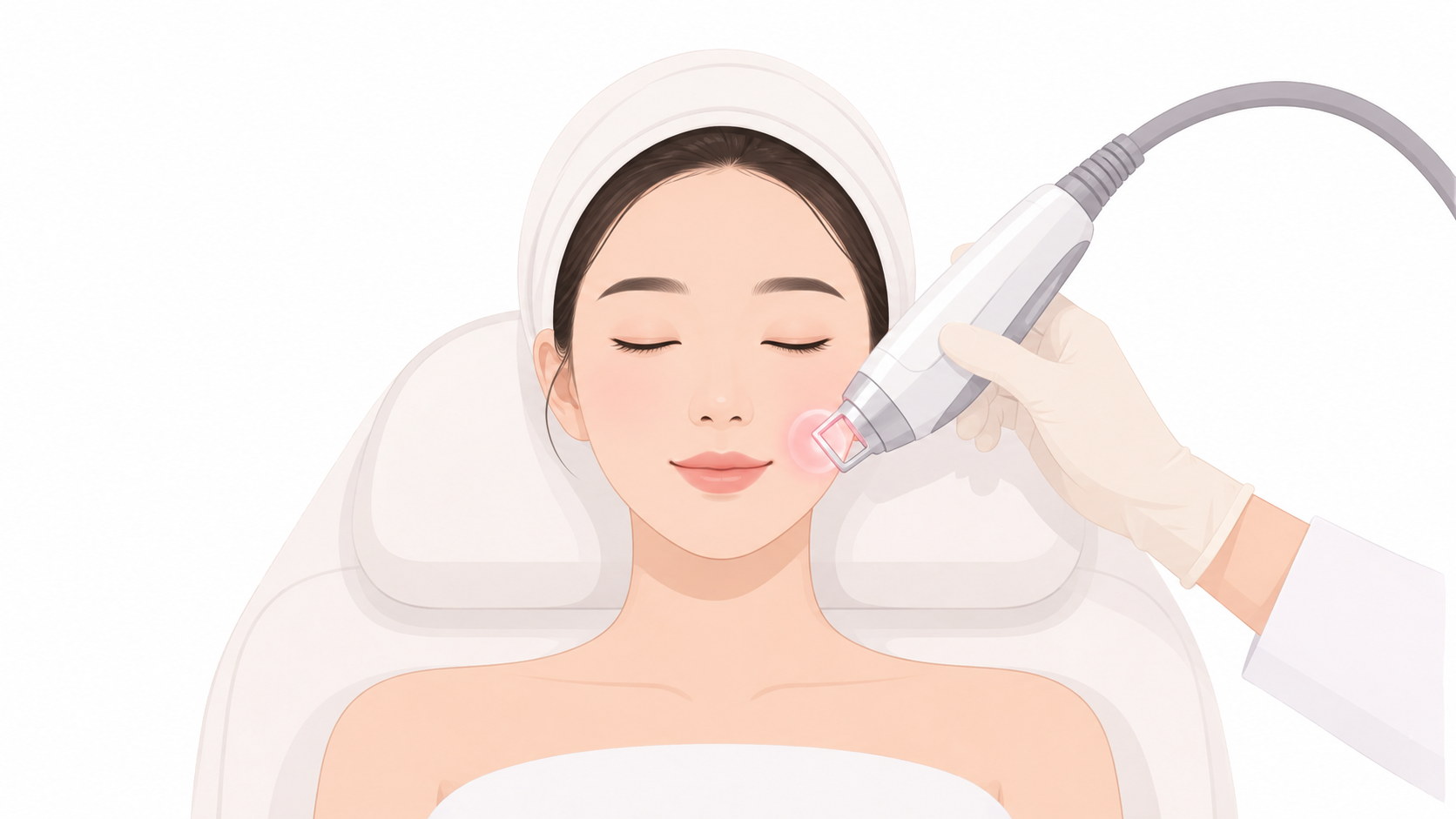
We choose among topical medications, oral medications, and laser treatments based on the type of pigmentation and the condition of your skin. Some medications and lasers can actually make pigmentation worse when used incorrectly, so evaluation and ongoing management by a dermatologist are essential.
The broader goal of pigmentation treatment is to manage skin aging and chronic inflammation while supporting the skin barrier, creating a healthy environment in which pigmentation is less likely to return.
Keeping It from Coming Back
After pigmentation treatment, nothing matters more than protecting your skin so that new pigment does not form. UV light is the single most important environmental factor driving both skin aging and melanin production, so daily broad-spectrum sunscreen — along with physical protection such as hats and sun-protective umbrellas — is the cornerstone of preventing recurrence. Add barrier care and antioxidant care on top of that, and you can keep a healthier, more even skin tone for longer.

Frequently Asked Questions
Q. How are melasma and age spots different?
A. Melasma appears as symmetric brown patches, mainly around the eyes and across the cheeks and forehead, and is influenced by hormones and UV light. Age spots (solar lentigines) are sharply defined spots that develop with age after long-term sun exposure. They can look alike and are hard to tell apart on your own, so an in-office evaluation is the most reliable way to know which one you have.
Q. Can brightening cream alone clear my pigmentation?
A. Topical medications include hydroquinone, which lightens pigment by blocking tyrosinase, the key enzyme in melanin production, and tretinoin (a vitamin A derivative), which speeds up skin cell turnover. However, these medications can cause irritation, and long-term use of high-concentration hydroquinone can lead to a side effect called exogenous ochronosis, in which blue-brown pigment builds up in the skin — so they must be used only with a prescription and under a physician's supervision.
Long-standing pigment and melasma that have settled into the dermis (the deeper layer) are especially hard to clear with creams alone.
Q. Will laser treatment get rid of pigmentation completely?
A. Results vary by the type of pigmentation, and it can come back even after it improves. Melasma in particular recurs often, so rather than trying to erase it all at once, we work to lighten it and keep it in check.
The goal of pigmentation treatment goes beyond fading the spots you can see. What matters is addressing skin aging, inflammation, and barrier function together, so that pigmentation is less likely to return.
If pigmentation is a concern, start with an in-office evaluation here in Songdo to find out which type you have. From there, we can work out a management plan together that fits that type.
This content is general information about the pigmentation treatments provided at Songdo Human Dermatology. Diagnosis and treatment are determined during an in-person examination, based on each patient's individual condition.