Keywords: scar and pore treatment in Songdo, acne scars, enlarged pores, fractional laser, subcision |
At Songdo Human Dermatology, we often see patients who tell us their acne has cleared but the scars and enlarged pores remain. Once they form, they rarely resolve on their own — so understanding why they develop is the right place to start.
What Causes Acne Scars and Enlarged Pores?
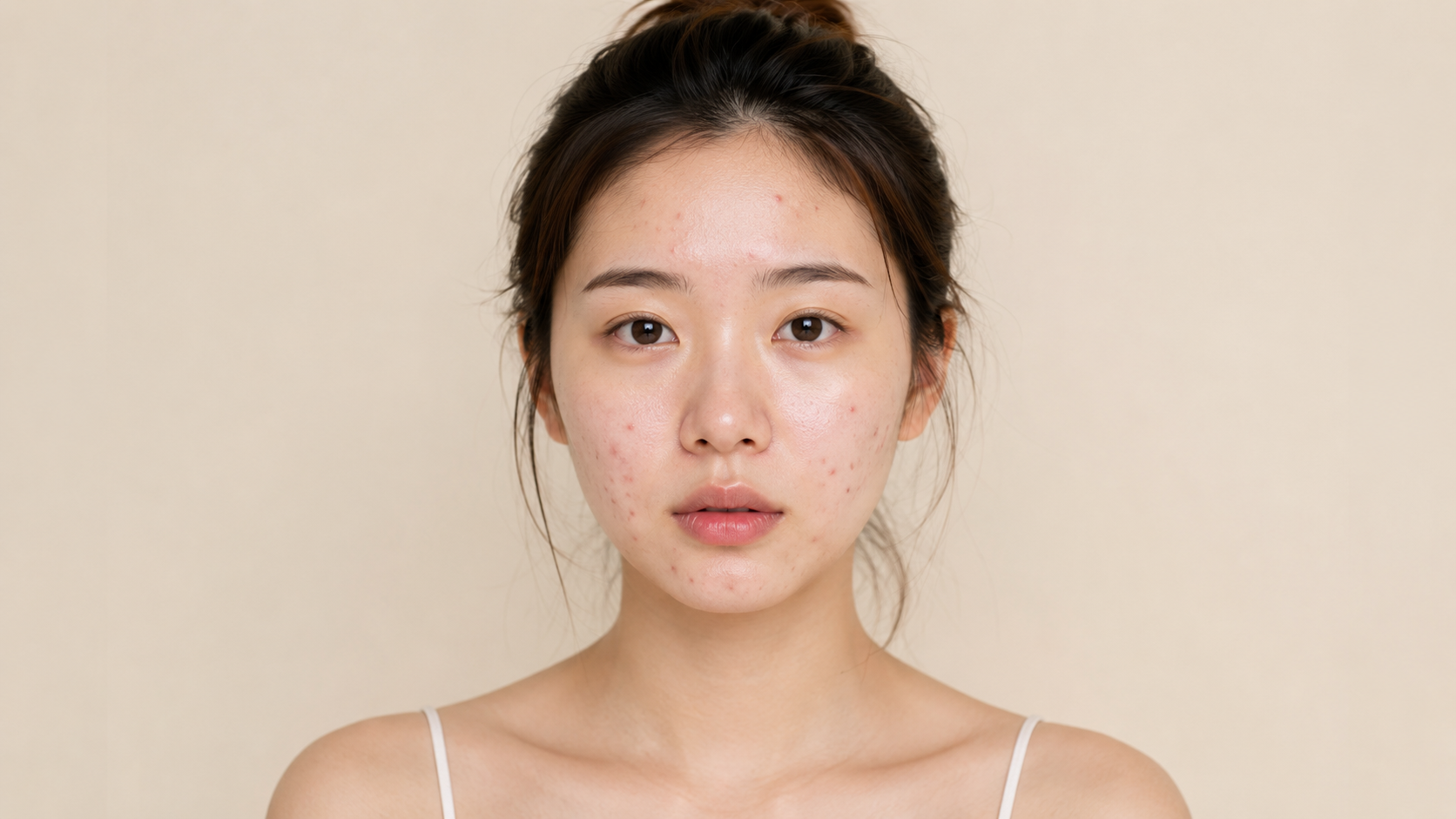
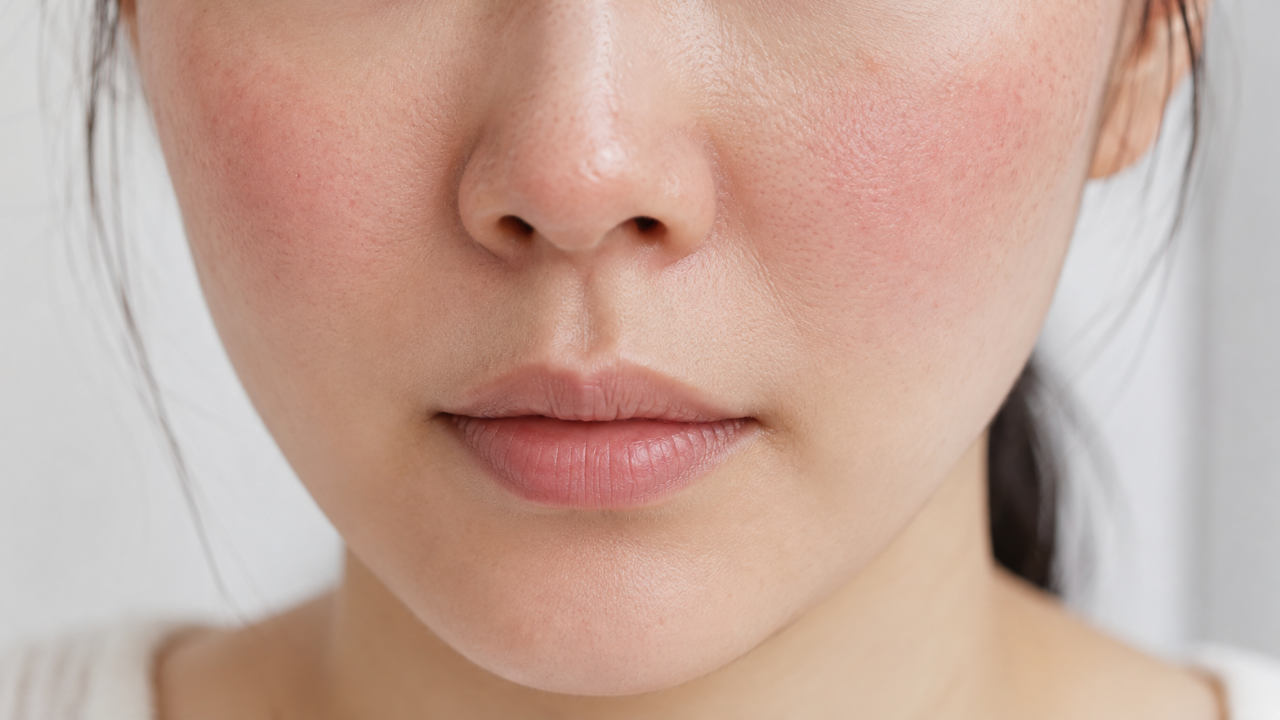
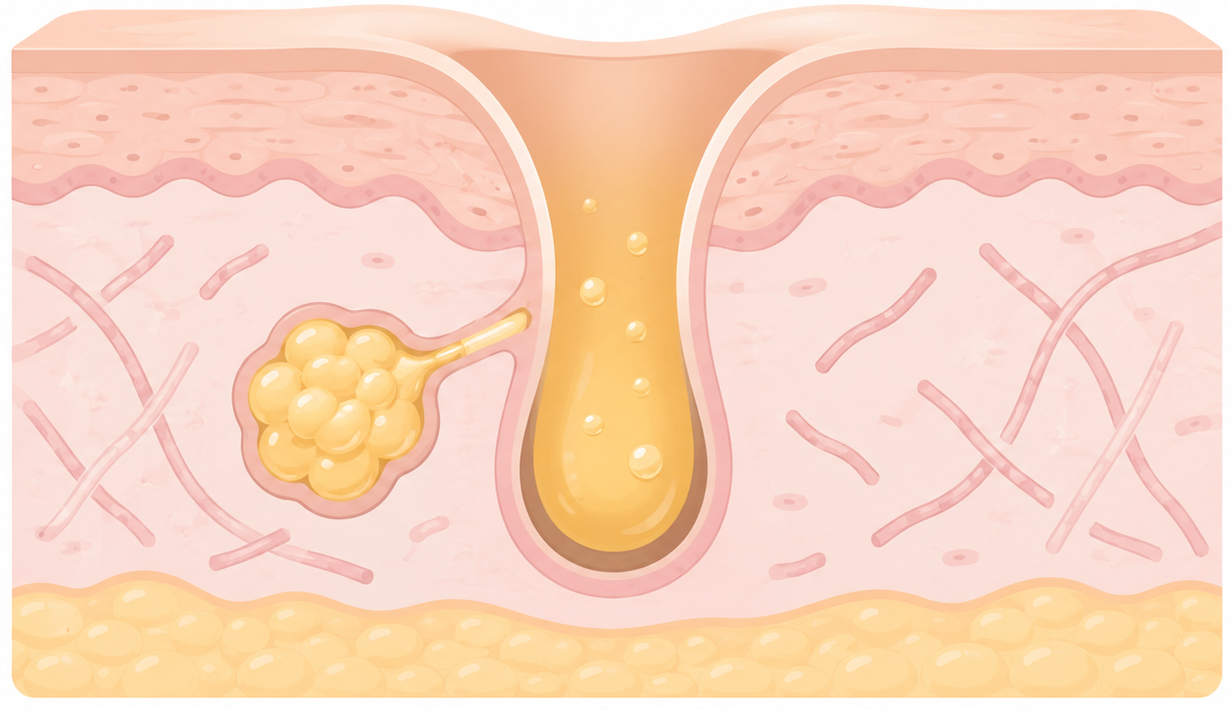
Acne scars form when deep inflammation damages collagen, the protein that gives skin its structure and support. The deeper the inflammation, the more likely scarring becomes. When inflammation lingers, blood vessels also dilate and pigment builds up, leaving behind red marks and dark spots. Pores are the openings of the hair follicles that the sebaceous (oil) glands empty into; when oil production is heavy, inflammation keeps recurring, or the skin loses elasticity with age, those openings stretch and become more noticeable. Once widened, pores rarely shrink back on their own.
Not All Acne Scars Are the Same
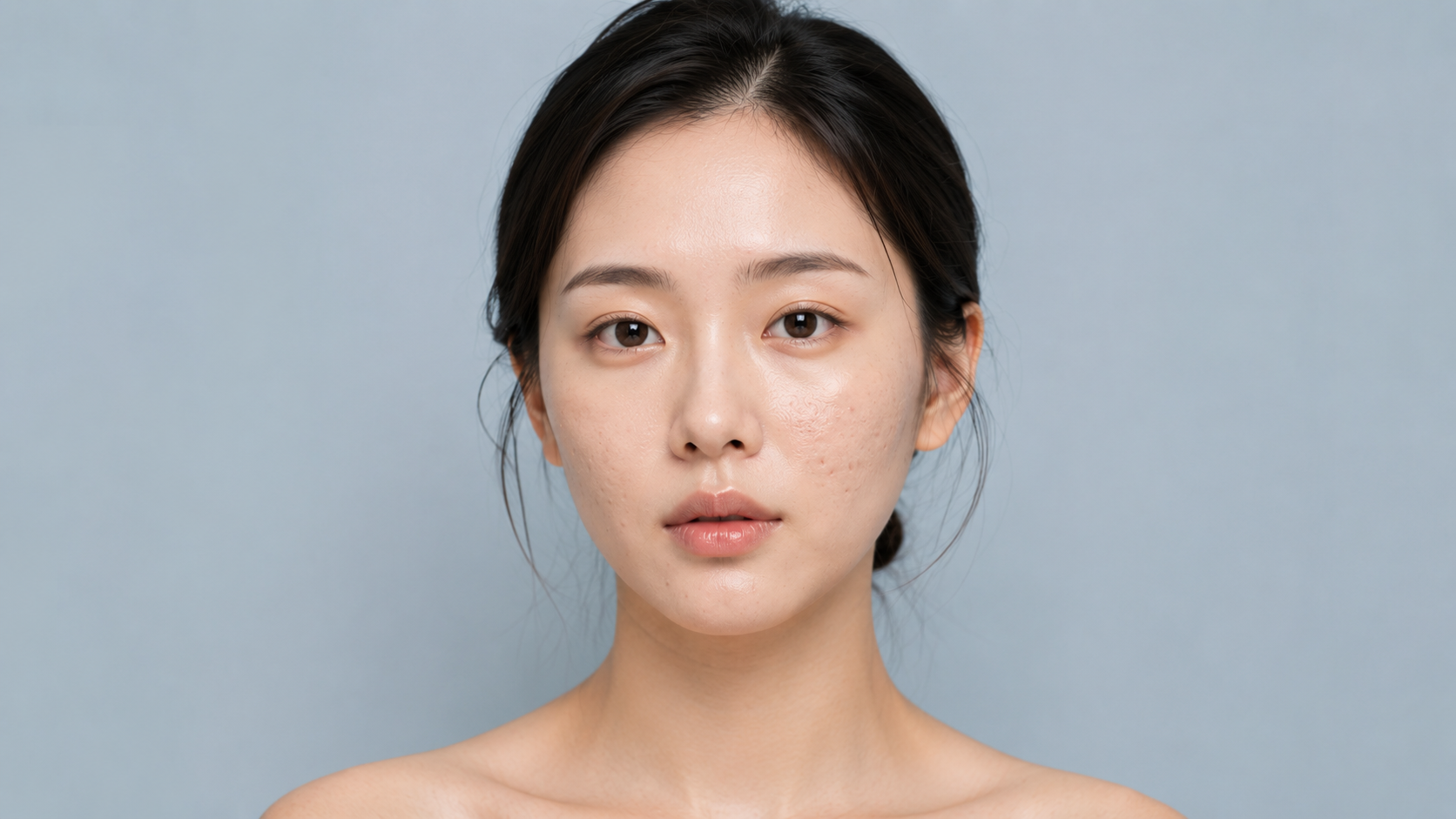
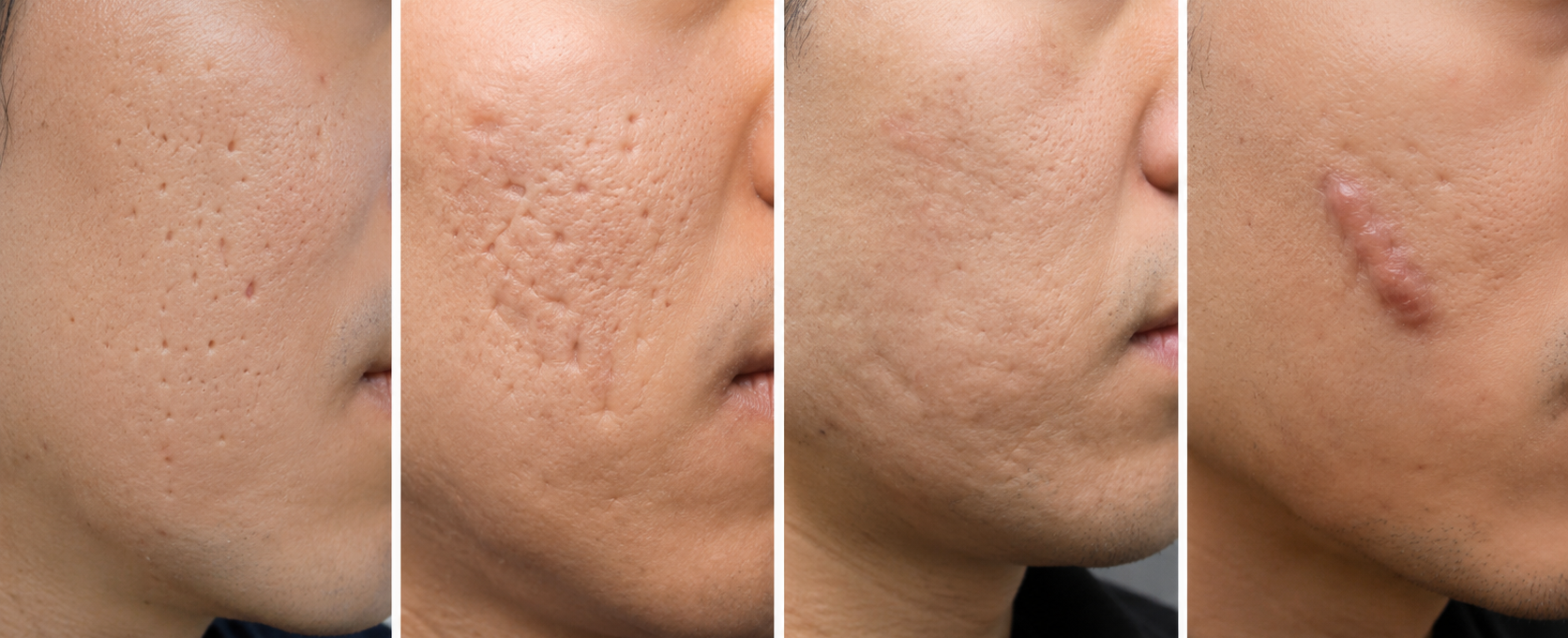
Depressed scars are called atrophic scars, and they are grouped by shape. The main types are narrow, deep ice pick scars; wider, sharply defined boxcar scars; and broad, wave-like rolling scars. Raised scars are the opposite: hypertrophic scars and keloids, in which the skin heals with excess tissue rather than too little. Each type responds to different treatments, so identifying the type comes first.
How Are Acne Scars Treated?
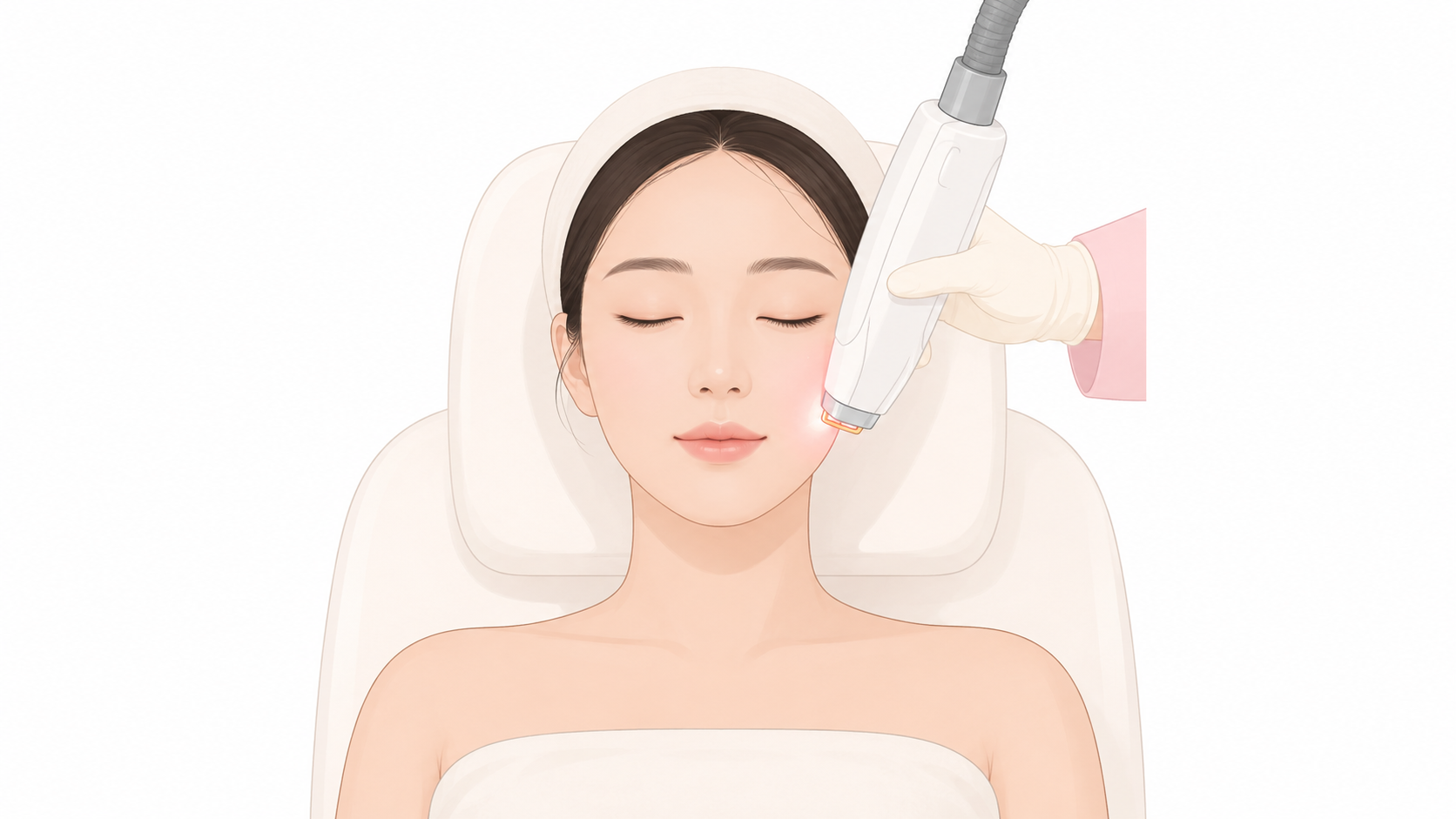
We match treatment to the scar type. The mainstay is fractional laser resurfacing, which delivers energy in a pattern of microscopic columns to stimulate collagen production, with gradual improvement over a series of treatments. Radiofrequency (RF) microneedling and collagen-stimulating injections are also used to smooth skin left uneven by scarring. More recently, needle-free injectors — which use pressure instead of a needle to deliver skin-regenerating solutions — have become part of scar treatment as well. For rolling scars, we use subcision, in which a fine needle releases the fibrous bands that tether the scar down; for narrow, deep ice pick scars, options include focal (dot) peeling, which applies a high-concentration peeling agent point by point, and TCA CROSS, which applies high-concentration trichloroacetic acid directly to the base of the scar. Depressed areas can also be lifted with dermal fillers (volume-restoring materials such as hyaluronic acid) or collagen stimulators. In patients with darker skin tones, though, procedures carry a higher risk of post-inflammatory hyperpigmentation, so we take extra care. The goal is to make scars noticeably less visible rather than to erase them completely, and we combine several treatments to get there.
The Best Way to Minimize Scarring
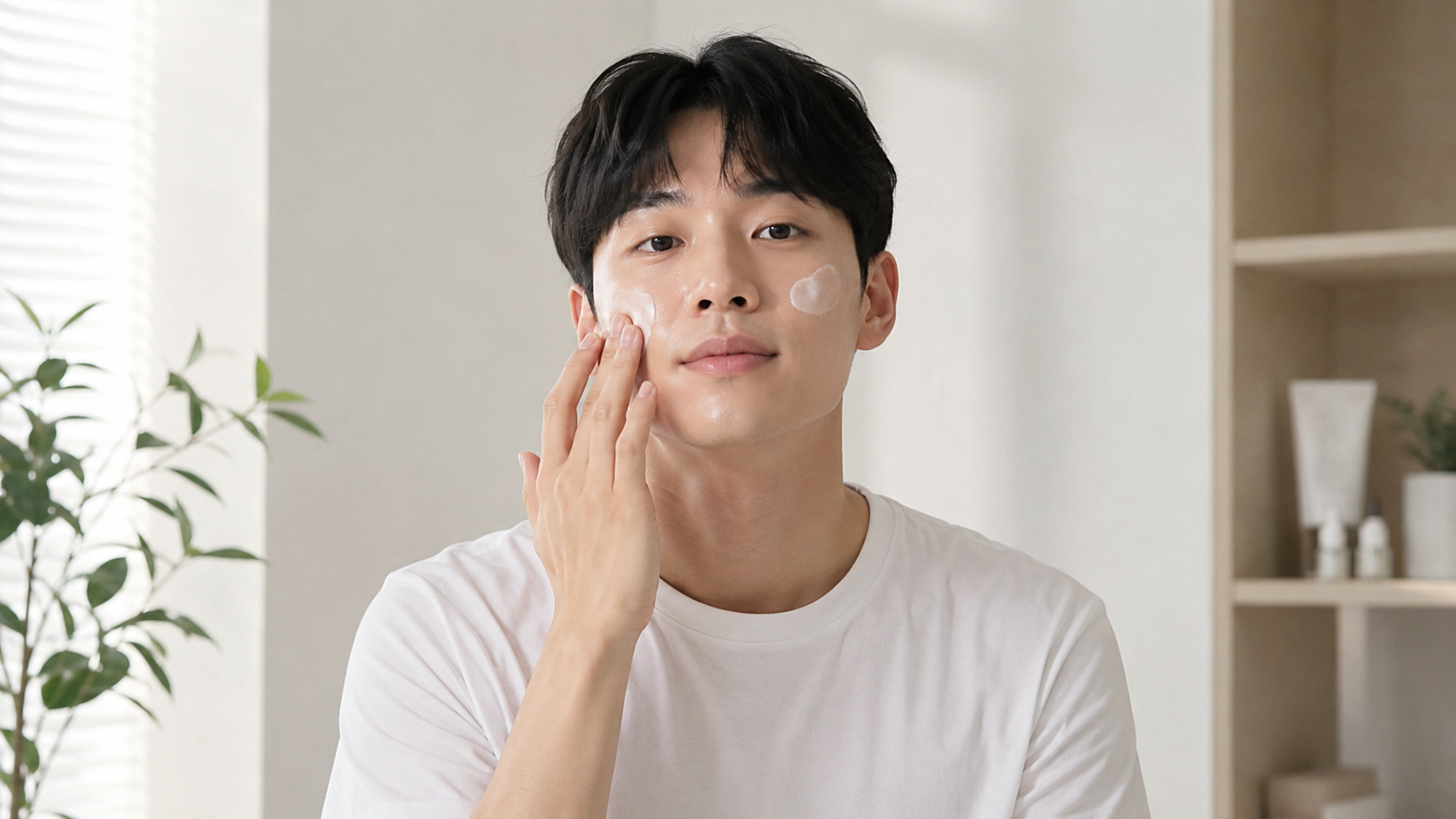
The most reliable way to prevent scars is treating acne early, before the inflammation goes deep. Leaving pimples alone — not picking or squeezing them — matters just as much. Oral and topical antibiotics can be used to calm severe inflammation. After extractions, hydrocolloid dressings such as DuoDERM or over-the-counter pimple patches can help the skin heal. If scars have already formed, starting treatment early — guided by the scar type and your skin's condition — helps keep them from becoming more pronounced, and sun protection before and after procedures lowers the risk of discoloration.
Frequently Asked Questions
Q. Can enlarged pores shrink back to their original size?
A. Once pores have stretched, they rarely return to their original size on their own. That said, controlling oil production, along with procedures that support skin regeneration, can make them noticeably less prominent. Results vary from person to person, so we recommend starting with an in-person evaluation.
Q. Do acne scars ever disappear completely?
A. Scars are lasting changes in the skin's structure, so erasing them completely is not realistic. Combining several treatments matched to the scar type and repeating them over time can make scars less noticeable. We aim for steady improvement and maintenance rather than complete removal.
Q. Will one session be enough?
A. Most cases call for multiple sessions. Collagen-stimulating treatments such as fractional laser resurfacing work gradually and are usually done as a series of sessions. Depending on the scar type, subcision or fillers may be added along the way.
If acne scars or enlarged pores are bothering you, the first step is an in-person evaluation here in Songdo to identify your scar type. From there, we can work together on a treatment plan that fits it.
This content is general information about the scar and pore treatments provided at Songdo Human Dermatology. Diagnosis and treatment are determined during an in-person examination, based on each patient's individual condition.