Keywords: psoriasis treatment in Songdo, psoriasis, plaque psoriasis, phototherapy, UVB |
At Songdo Human Dermatology, patients who come in saying "these red, flaky patches keep coming back" are often worried about psoriasis. Because psoriasis is a long-term condition, it helps to understand what drives it and how to keep it under control.
What Causes Psoriasis?
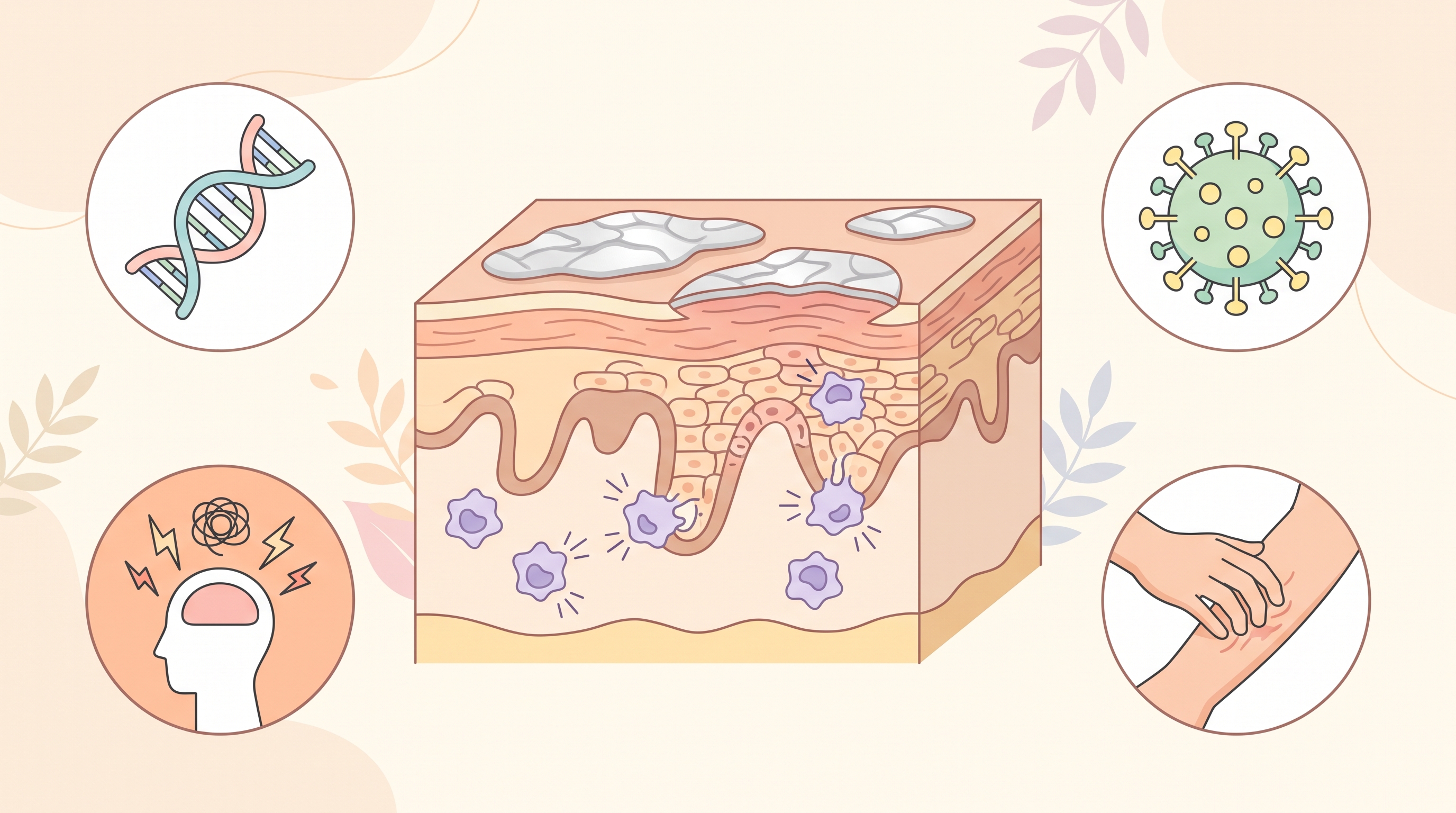
Psoriasis is a chronic inflammatory condition in which an overactive immune system makes keratinocytes (the cells that form the skin's surface) multiply far too quickly, so thick white scale builds up on red, raised plaques. Th17 cells, a subset of the T cells that drive immune responses, are thought to play a central role. In people with a genetic predisposition, triggers such as infection, skin irritation, or stress can bring on the first lesions or make existing ones worse. New lesions can also form where the skin was injured, a response called the Koebner phenomenon. Psoriasis is not contagious.
What Does It Look Like?
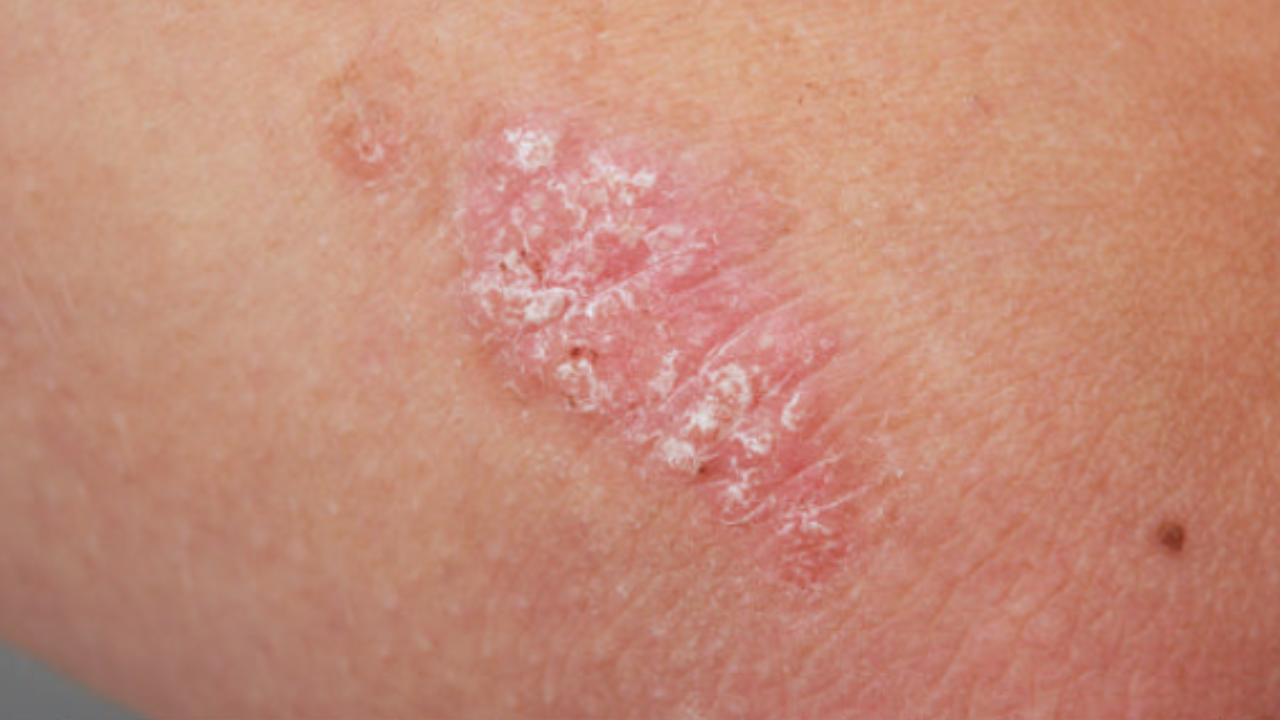
The most common form is plaque psoriasis, which appears as well-defined red plaques covered with silvery-white scale. Plaques tend to appear on the knees, elbows, scalp, and buttocks, often at sites exposed to repeated friction or pressure. Psoriasis typically follows a long-term course, cycling between flare-ups and periods of improvement, so consistent management matters more than any single course of treatment.
How We Treat Psoriasis
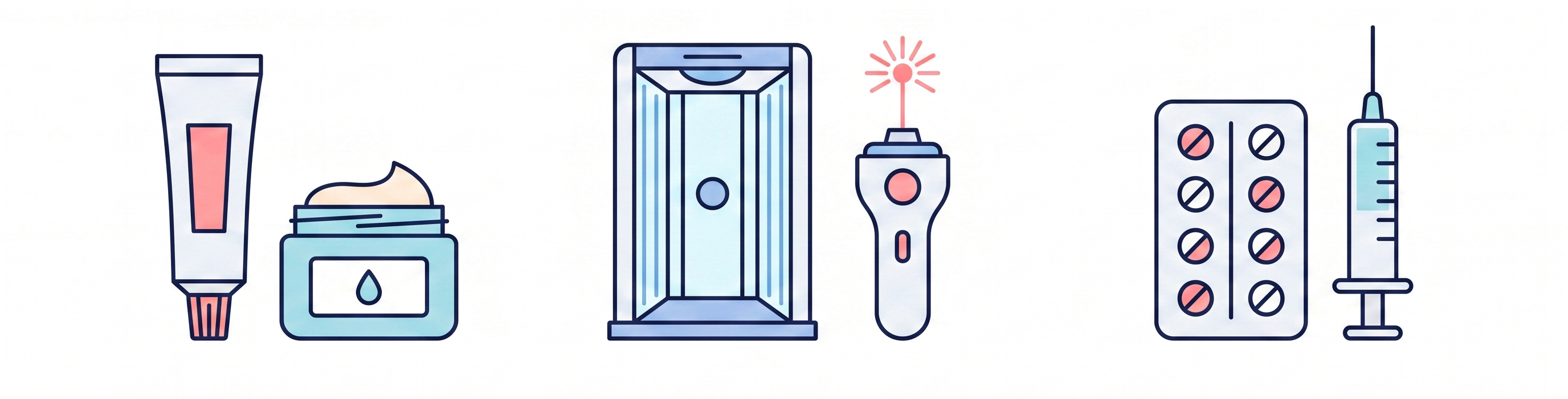
We take a stepwise approach based on how widespread and severe the disease is. Topical treatments include corticosteroids, a vitamin D analogue (calcipotriene), and tazarotene (a retinoid), alongside regular moisturizing. Topical calcineurin inhibitors may also be used on the face and in skin folds. For widespread or moderate-to-severe disease, we add phototherapy; in particular, narrowband UVB (NB-UVB, 311-312 nm) is the first-line phototherapy for chronic plaque psoriasis. The 308 nm excimer laser is also used for localized lesions. For more severe disease, oral medications (cyclosporine, methotrexate, acitretin) or biologics (injections that target specific immune signals) are used. These systemic treatments always require close monitoring by a dermatologist, including regular blood tests.
Good to Know
Psoriasis is a chronic condition where the goal is control rather than cure. Even when phototherapy clears the skin, relapse is common, so maintenance treatment is usually needed. Ultraviolet light can help, but in some people it makes the condition worse, so any UV exposure should be planned with your dermatologist. Lifestyle factors such as smoking, alcohol, body weight, and stress are also worth addressing.
Frequently Asked Questions
Q. Is psoriasis contagious?
A. No. Psoriasis is not an infection; it is a chronic inflammatory skin condition driven by the immune system. It does not spread through contact, so there is no risk of passing it to the people around you.
Q. Can psoriasis be cured?
A. There is no cure at this time, but psoriasis can be controlled. It is a chronic condition that cycles between flare-ups and periods of improvement, so the goal is long-term control. Even when phototherapy or other treatments clear the skin, relapse is common, which makes ongoing management important.
Q. Does sunlight help psoriasis?
A. Medically supervised phototherapy such as narrowband UVB is an established psoriasis treatment, but sunbathing or using a tanning bed on your own carries a risk of burns and premature skin aging, and in some people it makes psoriasis worse. Work out a plan with your dermatologist first.
If you are in Songdo and a red, flaky rash keeps coming back, start with a consultation to find out whether it is psoriasis. From there, we can build a management plan based on your diagnosis and how severe your symptoms are.
This content is general information about the psoriasis treatments provided at Songdo Human Dermatology. Diagnosis and treatment are determined during an in-person examination, based on each patient's individual condition.