
Laser Treatments
Laser Treatments
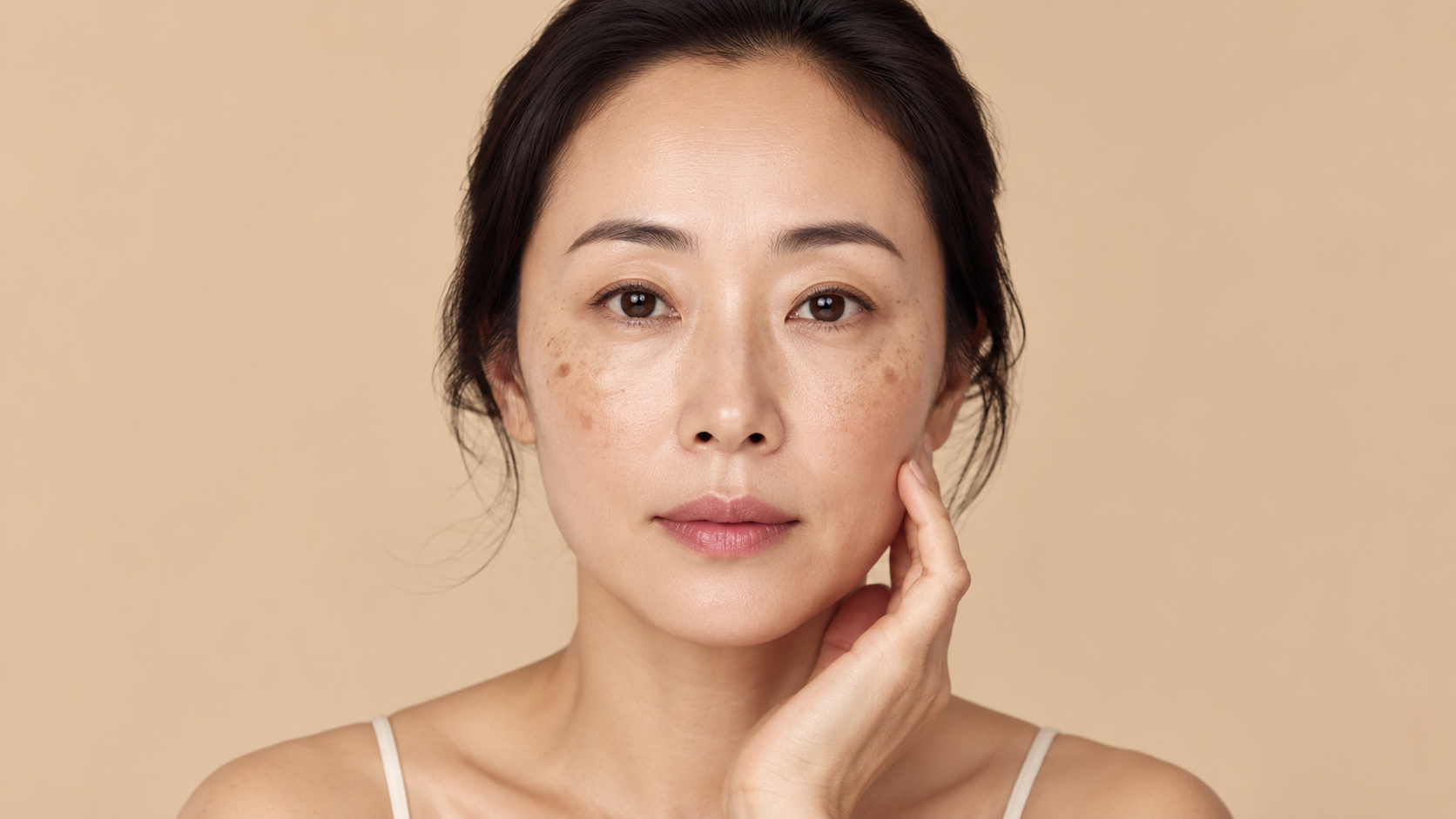
Melasma & Pigmentation Treatment in Songdo, Incheon | Songdo Human Dermatology
Melasma, age spots, and uneven skin tone, made simple
Keywords : pigmentation treatment in Songdo, melasma, age spots, hyperpigmentation, sun protectionAt Songdo Human Dermatology, we often hear patients say, "I want to get rid of the dark spots on my face." But pigmentation is not just one condition. Medically, the term covers pigmentary disorders in which melanin — the brown pigment that determines skin color — builds up in excess, and each type has its own causes and its own treatment approach.Not All Facial Pigmentation Is the SameEven the most common types differ quite a bit from one another. Melasma appears as symmetric brown patches around the eyes and across the cheeks and forehead, while age spots (solar lentigines) are sharply defined brown spots that develop with age after years of sun exposure. Small spots that have been there since childhood are freckles (ephelides), and the brown marks left behind once inflammation from acne or a similar condition clears are called post-inflammatory hyperpigmentation (PIH). Even when they look similar, treatment response differs depending on whether the pigment sits in the epidermis (the outermost layer of skin) or in the dermis (the deeper layer beneath it), so telling them apart accurately is what determines the treatment plan.Why Does It Happen?The biggest cause is ultraviolet (UV) light — the invisible rays in sunlight. UV light stimulates melanocytes, the cells that produce melanin, and they respond by making more of it. In melasma, hormones also play a role: it can darken during pregnancy or with oral contraceptives (birth control pills). Post-inflammatory hyperpigmentation is the mark inflammation leaves behind, and the darker a person's skin tone, the longer it tends to linger.Skin aging is another important cause. As skin ages, its ability to regulate melanin declines while oxidative stress and chronic inflammation increase, driving melanin production up. Skin also renews itself more slowly, so pigment lingers — which is why melasma, age spots, and post-inflammatory hyperpigmentation are both more likely to develop and slower to fade.How Do We Manage It?We choose among topical medications, oral medications, and laser treatments based on the type of pigmentation and the condition of your skin. Some medications and lasers can actually make pigmentation worse when used incorrectly, so evaluation and ongoing management by a dermatologist are essential.The broader goal of pigmentation treatment is to manage skin aging and chronic inflammation while supporting the skin barrier, creating a healthy environment in which pigmentation is less likely to return.Keeping It from Coming BackAfter pigmentation treatment, nothing matters more than protecting your skin so that new pigment does not form. UV light is the single most important environmental factor driving both skin aging and melanin production, so daily broad-spectrum sunscreen — along with physical protection such as hats and sun-protective umbrellas — is the cornerstone of preventing recurrence. Add barrier care and antioxidant care on top of that, and you can keep a healthier, more even skin tone for longer.Frequently Asked QuestionsQ. How are melasma and age spots different?A. Melasma appears as symmetric brown patches, mainly around the eyes and across the cheeks and forehead, and is influenced by hormones and UV light. Age spots (solar lentigines) are sharply defined spots that develop with age after long-term sun exposure. They can look alike and are hard to tell apart on your own, so an in-office evaluation is the most reliable way to know which one you have.Q. Can brightening cream alone clear my pigmentation?A. Topical medications include hydroquinone, which lightens pigment by blocking tyrosinase, the key enzyme in melanin production, and tretinoin (a vitamin A derivative), which speeds up skin cell turnover. However, these medications can cause irritation, and long-term use of high-concentration hydroquinone can lead to a side effect called exogenous ochronosis, in which blue-brown pigment builds up in the skin — so they must be used only with a prescription and under a physician's supervision.Long-standing pigment and melasma that have settled into the dermis (the deeper layer) are especially hard to clear with creams alone.Q. Will laser treatment get rid of pigmentation completely?A. Results vary by the type of pigmentation, and it can come back even after it improves. Melasma in particular recurs often, so rather than trying to erase it all at once, we work to lighten it and keep it in check.The goal of pigmentation treatment goes beyond fading the spots you can see. What matters is addressing skin aging, inflammation, and barrier function together, so that pigmentation is less likely to return.If pigmentation is a concern, start with an in-office evaluation here in Songdo to find out which type you have. From there, we can work out a management plan together that fits that type.This content is general information about the pigmentation treatments provided at Songdo Human Dermatology. Diagnosis and treatment are determined during an in-person examination, based on each patient's individual condition.
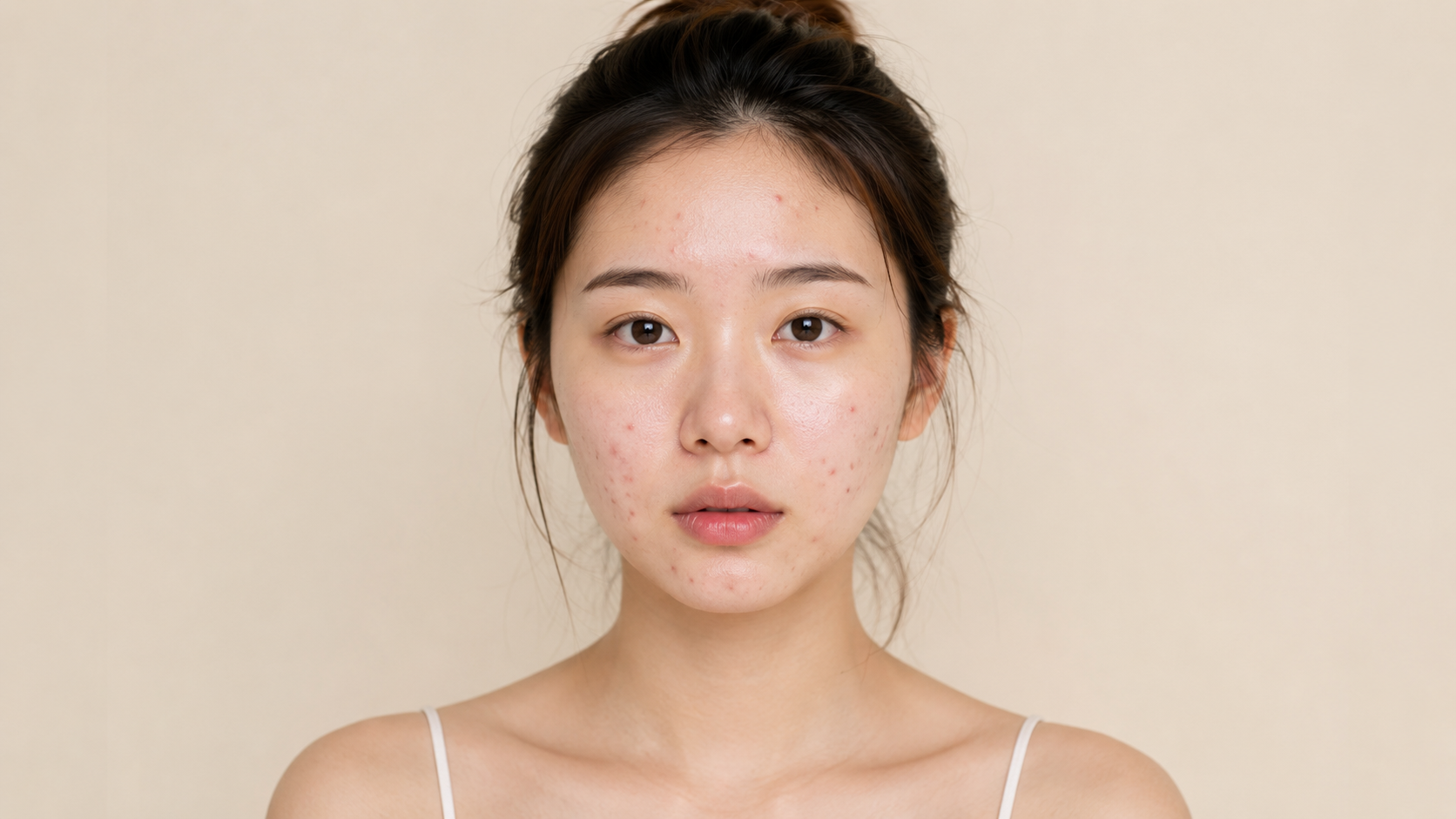
Acne Treatment in Songdo, Incheon | Songdo Human Dermatology
Adult acne: causes and treatment, made simple
Keywords : acne treatment in Songdo, adult acne, acne treatment, acne scars, dark spots after acneAt Songdo Human Dermatology, we often hear patients ask why they are still breaking out as grown adults. Acne (acne vulgaris) is not just a teenage problem. It develops in adulthood too, and once you know the cause, the right treatment plan becomes clear.What Causes Acne?Acne develops when four factors come together: dead skin cells build up inside the pore and clog the opening, sebum (oil) production rises, acne bacteria (Cutibacterium acnes) multiply, and inflammation sets in. On top of this, hormones such as androgens (male sex hormones) play a role. That is why acne continues into adulthood — and in women especially, it can flare up around the chin and mouth with the menstrual cycle or other hormonal changes.Types of Acne: From Comedones to NodulesLet's start with the comedo — a clogged pore without inflammation. Comedones come in two forms: closed comedones (whiteheads), where the pore opening is sealed over, and open comedones (blackheads), where the pore stays open and the trapped material oxidizes and darkens. Once inflammation develops, they progress to red, swollen papules, pus-filled pustules, and deeper, firmer nodules. Treatment differs by type and depth, and deep acne such as nodules is more likely to leave scars, so early care is best.How We Treat AcneFor mild acne, topical medications are the mainstay of treatment. A topical retinoid (a vitamin A derivative), which unclogs pores, is paired with benzoyl peroxide, which reduces acne bacteria and helps prevent antibiotic resistance. For moderate to severe acne, oral antibiotics are added. For deep, stubborn acne, we may prescribe isotretinoin, an oral medication that shrinks the sebaceous (oil) glands. Isotretinoin, however, is absolutely contraindicated during pregnancy (it is a teratogen — a drug that can cause birth defects) and requires a physician's prescription with regular lab monitoring. For women, anti-androgen medications, which counter the effects of androgens, may also be an option — one we can talk through at your visit.Preventing Acne ScarsThe most important rule is not to pick at or squeeze your pimples. Squeezing drives inflammation deeper, making atrophic scars (depressed, pitted scars) and dark marks more likely. The brown marks left behind after a breakout clears are called post-inflammatory hyperpigmentation (PIH), and sun exposure makes them darker, so daily sun protection matters, too. If scars have already formed, we match the treatment to the scar type after examining your skin in person.Frequently Asked QuestionsQ. I'm past puberty — why do I still get acne?A. Adult acne is not uncommon. It arises from excess oil (sebum), clogged pores, acne bacteria (Cutibacterium acnes), and inflammation, with hormonal changes layered on top — and stress, cosmetics, and lifestyle factors can contribute too. If it keeps coming back, it is worth looking into the causes together.Q. Is it okay to pop pimples?A. We do not recommend it. Popping or squeezing spreads the inflammation and can leave atrophic scars and dark marks (post-inflammatory hyperpigmentation). Deep lesions such as nodules especially should never be handled on your own — it is safer to have them treated in the office.Q. Are oral acne medications safe?A. They work well, and that is exactly why they call for careful use. Isotretinoin is contraindicated during pregnancy and can cause side effects such as dry skin and chapped lips, so it must be taken under a physician's supervision, with regular lab monitoring.If acne is bothering you, start with an in-person evaluation here in Songdo to check its type and severity. Before scars have a chance to form, we can decide on the right treatment together.This content is general information about acne treatment provided at Songdo Human Dermatology. Diagnosis and treatment are determined during an in-person examination, based on each patient's individual condition.
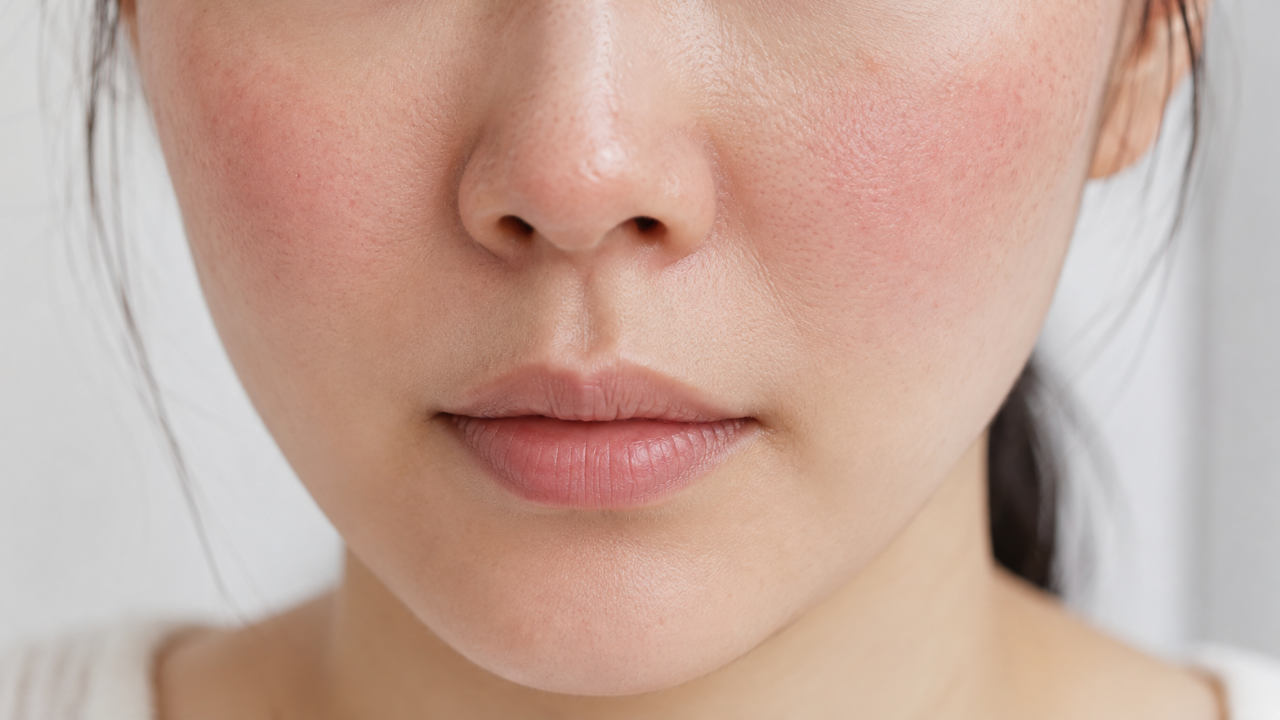
Rosacea and Facial Redness Treatment in Songdo, Incheon | Songdo Human Dermatology
Facial redness and rosacea: care made simple
Keywords: Facial Redness Treatment in Songdo, Facial Flushing, Rosacea, Broken Capillaries (Telangiectasia), Vascular LaserAt Songdo Human Dermatology, we often see patients who tell us their face flushes easily and feels hot. Unlike a brief flush that fades on its own, redness that lingers and keeps coming back may be rosacea, a chronic skin condition — so the first step is pinning down the cause.Why Does My Face Keep Turning Red?Rosacea is a chronic condition in which the central face (cheeks, nose, forehead, and chin) flushes easily, often with a feeling of warmth or burning, and in which small, dilated blood vessels (telangiectasia) become visible through the skin. The redness tends to flare in response to triggers such as emotional stress, temperature changes, sun exposure, alcohol, spicy foods, and exercise. Unlike acne, rosacea usually does not cause blackheads or whiteheads (comedones), though red papules and pustules may appear. Because it sometimes needs to be distinguished from other conditions such as thyroid disease or lupus (an autoimmune disease in which the immune system attacks the body's own tissues), an accurate diagnosis is best made in person.Conditions other than rosacea can also make the face red. When persistent redness and flushing follow eczema-like skin changes caused by irritant contact dermatitis, the priority is treating the dermatitis itself — with medication, topical ointments, and dressings. Severe, widespread acne or folliculitis across the face can also leave lasting redness behind; this calls for in-office acne care such as extractions and chemical peels, along with a close look at the lifestyle habits that may be contributing. And when skin becomes irritated and turns red easily without an obvious trigger, it is often described as "sensitive skin."Triggers That Make Redness WorseWith rosacea, avoiding your triggers is the first step in management. Sudden temperature changes, sun exposure, hot or spicy foods, alcohol, and emotional stress are among the most common. Triggers differ from person to person, so keeping a diary of your flare-ups can help you spot the pattern. When washing your face, avoid very hot water and harsh exfoliation, and protect your skin barrier (the outer protective layer that holds in moisture and keeps irritants out) with a gentle, non-irritating moisturizer.If your skin is sensitive, even skin care products with active ingredients can cause irritation and worsen the redness. When trying a new product, patch test it first to see how your skin reacts, then introduce it slowly, and keep your routine to as few products as possible.How Is Rosacea Treated?Treatment depends on your symptoms. For red papules and pustules, we use topical medications such as metronidazole, azelaic acid, and ivermectin. In more severe cases, we add an oral antibiotic such as doxycycline or minocycline. For persistent redness, topical vasoconstrictors such as brimonidine or oxymetazoline may be used, and when flushing and facial burning happen often enough to interfere with daily life, low-dose beta-blockers (such as propranolol or carvedilol) can help. That said, blood vessels that have already dilated (telangiectasia) rarely fade with topical or oral medication, so laser or light treatment that targets blood vessels is usually needed. The main options are the pulsed dye laser and intense pulsed light (IPL). The pulsed dye laser is a vascular laser whose 585–595 nm wavelength is absorbed by hemoglobin, the red pigment in blood; IPL is a broad-spectrum light source. Because rosacea is a chronic condition, the goal is long-term control rather than a one-time fix. Improving your skin's overall health and reducing its sensitivity are also important parts of managing redness, and this is where radiofrequency treatment can play a role. By delivering radiofrequency heat that strengthens the dermis, the deeper layer of the skin, it can be a significant help in managing redness.Daily Habits That Reduce Flare-UpsAlongside trigger avoidance, consistent sun protection and gentle moisturizing are essential. Ultraviolet (UV) exposure is one of the most common triggers, so daily sunscreen is important year-round. Avoid excessive sauna use, keep the water lukewarm when you wash your face, go easy on scrubs and other exfoliants, and choose gentle, non-irritating skin care products. If the redness keeps coming back, it is better to have the cause and severity evaluated in person than to manage it on your own.What worsens flushing is different for everyone, so figuring out your own triggers is worth the effort. Once you know them, avoiding them whenever possible can go a long way toward reducing flare-ups.Frequently Asked QuestionsQ. Is frequent facial redness always rosacea?A. No. Brief flushing during exercise or with strong emotion can be a normal response. But if the redness lingers, keeps coming back, and shows up alongside visible blood vessels or red bumps, rosacea is a likely cause and should be confirmed with an in-office exam.In women, flushing can also stem from hormonal changes such as menopause, when hot flashes are common, so a hormonal cause is worth ruling out — an evaluation by a gynecologist can help.Q. Will topical medication alone clear the redness?A. Red papules and pustules do respond to topical and oral medication. However, blood vessels that have already dilated (telangiectasia) rarely fade with medication alone, so vascular laser or light therapy is typically needed as well. Because rosacea is chronic, treatment is ongoing rather than a one-time course.Skin affected by rosacea can also be highly sensitive to outside irritants. In some cases, a topical medication itself becomes an irritant and causes stinging or discomfort, so it may need to be stopped or switched. That is all the more reason to manage facial flushing and rosacea consistently, with a long-term plan tailored to your skin.Q. Does laser treatment remove the redness completely?A. Vascular lasers can help reduce redness and visible blood vessels, but redness can return, so maintenance sessions are usually needed. Results vary from person to person, and we build your treatment plan after evaluating your skin in person.If facial redness has been lingering, schedule an appointment at our Songdo clinic to find out whether it is temporary flushing or rosacea. From there, we can recommend a treatment plan that targets the cause.This content is general information about facial redness and rosacea treatment provided at Songdo Human Dermatology. Diagnosis and treatment are determined during an in-person examination, based on each patient's individual condition.
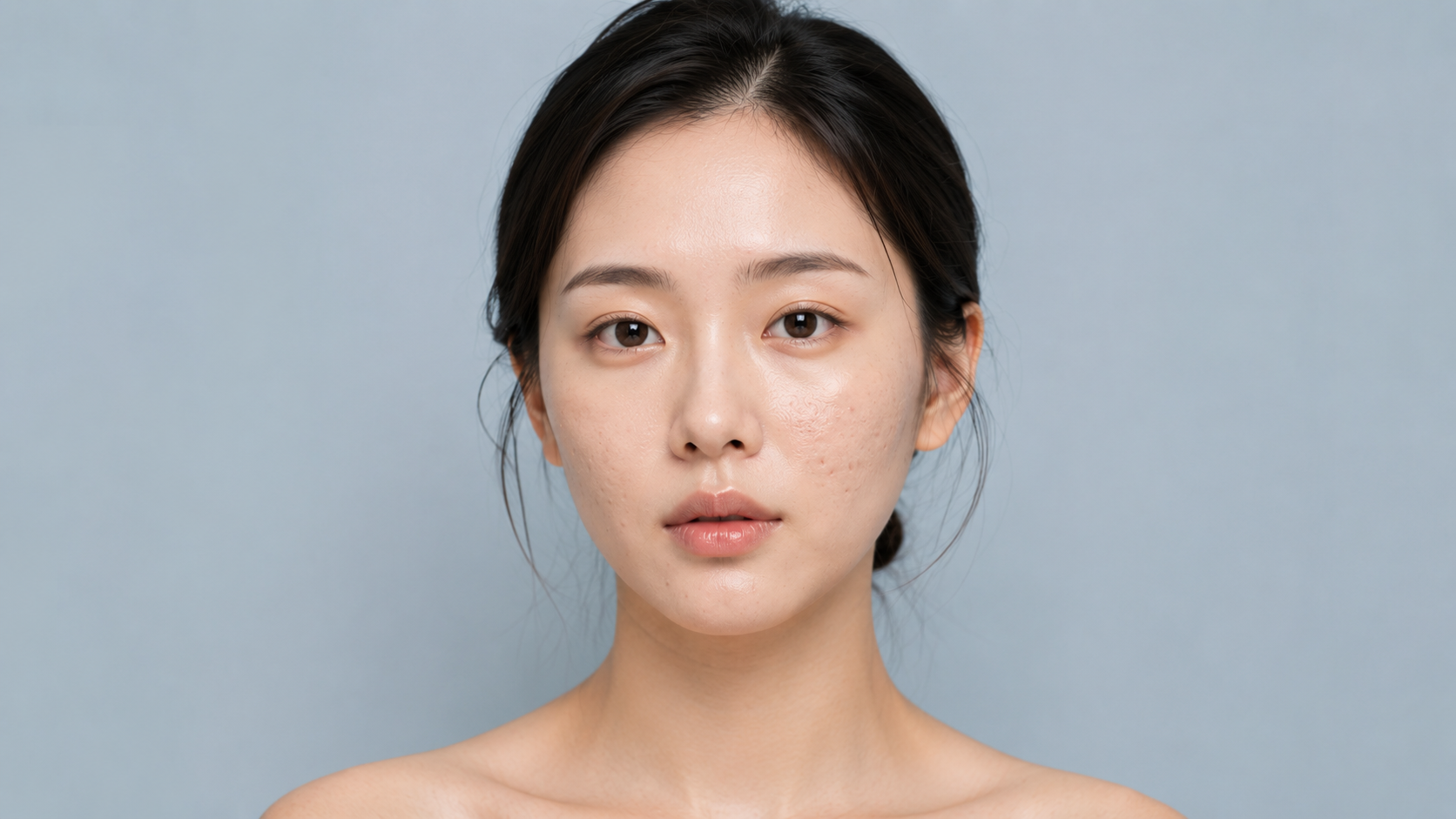
Acne Scar and Pore Treatment in Songdo, Incheon | Songdo Human Dermatology
Acne scars and pores: care made simple
Keywords: scar and pore treatment in Songdo, acne scars, enlarged pores, fractional laser, subcisionAt Songdo Human Dermatology, we often see patients who tell us their acne has cleared but the scars and enlarged pores remain. Once they form, they rarely resolve on their own — so understanding why they develop is the right place to start.What Causes Acne Scars and Enlarged Pores?Acne scars form when deep inflammation damages collagen, the protein that gives skin its structure and support. The deeper the inflammation, the more likely scarring becomes. When inflammation lingers, blood vessels also dilate and pigment builds up, leaving behind red marks and dark spots. Pores are the openings of the hair follicles that the sebaceous (oil) glands empty into; when oil production is heavy, inflammation keeps recurring, or the skin loses elasticity with age, those openings stretch and become more noticeable. Once widened, pores rarely shrink back on their own.Not All Acne Scars Are the SameDepressed scars are called atrophic scars, and they are grouped by shape. The main types are narrow, deep ice pick scars; wider, sharply defined boxcar scars; and broad, wave-like rolling scars. Raised scars are the opposite: hypertrophic scars and keloids, in which the skin heals with excess tissue rather than too little. Each type responds to different treatments, so identifying the type comes first.How Are Acne Scars Treated?We match treatment to the scar type. The mainstay is fractional laser resurfacing, which delivers energy in a pattern of microscopic columns to stimulate collagen production, with gradual improvement over a series of treatments. Radiofrequency (RF) microneedling and collagen-stimulating injections are also used to smooth skin left uneven by scarring. More recently, needle-free injectors — which use pressure instead of a needle to deliver skin-regenerating solutions — have become part of scar treatment as well. For rolling scars, we use subcision, in which a fine needle releases the fibrous bands that tether the scar down; for narrow, deep ice pick scars, options include focal (dot) peeling, which applies a high-concentration peeling agent point by point, and TCA CROSS, which applies high-concentration trichloroacetic acid directly to the base of the scar. Depressed areas can also be lifted with dermal fillers (volume-restoring materials such as hyaluronic acid) or collagen stimulators. In patients with darker skin tones, though, procedures carry a higher risk of post-inflammatory hyperpigmentation, so we take extra care. The goal is to make scars noticeably less visible rather than to erase them completely, and we combine several treatments to get there.The Best Way to Minimize ScarringThe most reliable way to prevent scars is treating acne early, before the inflammation goes deep. Leaving pimples alone — not picking or squeezing them — matters just as much. Oral and topical antibiotics can be used to calm severe inflammation. After extractions, hydrocolloid dressings such as DuoDERM or over-the-counter pimple patches can help the skin heal. If scars have already formed, starting treatment early — guided by the scar type and your skin's condition — helps keep them from becoming more pronounced, and sun protection before and after procedures lowers the risk of discoloration.Frequently Asked QuestionsQ. Can enlarged pores shrink back to their original size?A. Once pores have stretched, they rarely return to their original size on their own. That said, controlling oil production, along with procedures that support skin regeneration, can make them noticeably less prominent. Results vary from person to person, so we recommend starting with an in-person evaluation.Q. Do acne scars ever disappear completely?A. Scars are lasting changes in the skin's structure, so erasing them completely is not realistic. Combining several treatments matched to the scar type and repeating them over time can make scars less noticeable. We aim for steady improvement and maintenance rather than complete removal.Q. Will one session be enough?A. Most cases call for multiple sessions. Collagen-stimulating treatments such as fractional laser resurfacing work gradually and are usually done as a series of sessions. Depending on the scar type, subcision or fillers may be added along the way.If acne scars or enlarged pores are bothering you, the first step is an in-person evaluation here in Songdo to identify your scar type. From there, we can work together on a treatment plan that fits it.This content is general information about the scar and pore treatments provided at Songdo Human Dermatology. Diagnosis and treatment are determined during an in-person examination, based on each patient's individual condition.
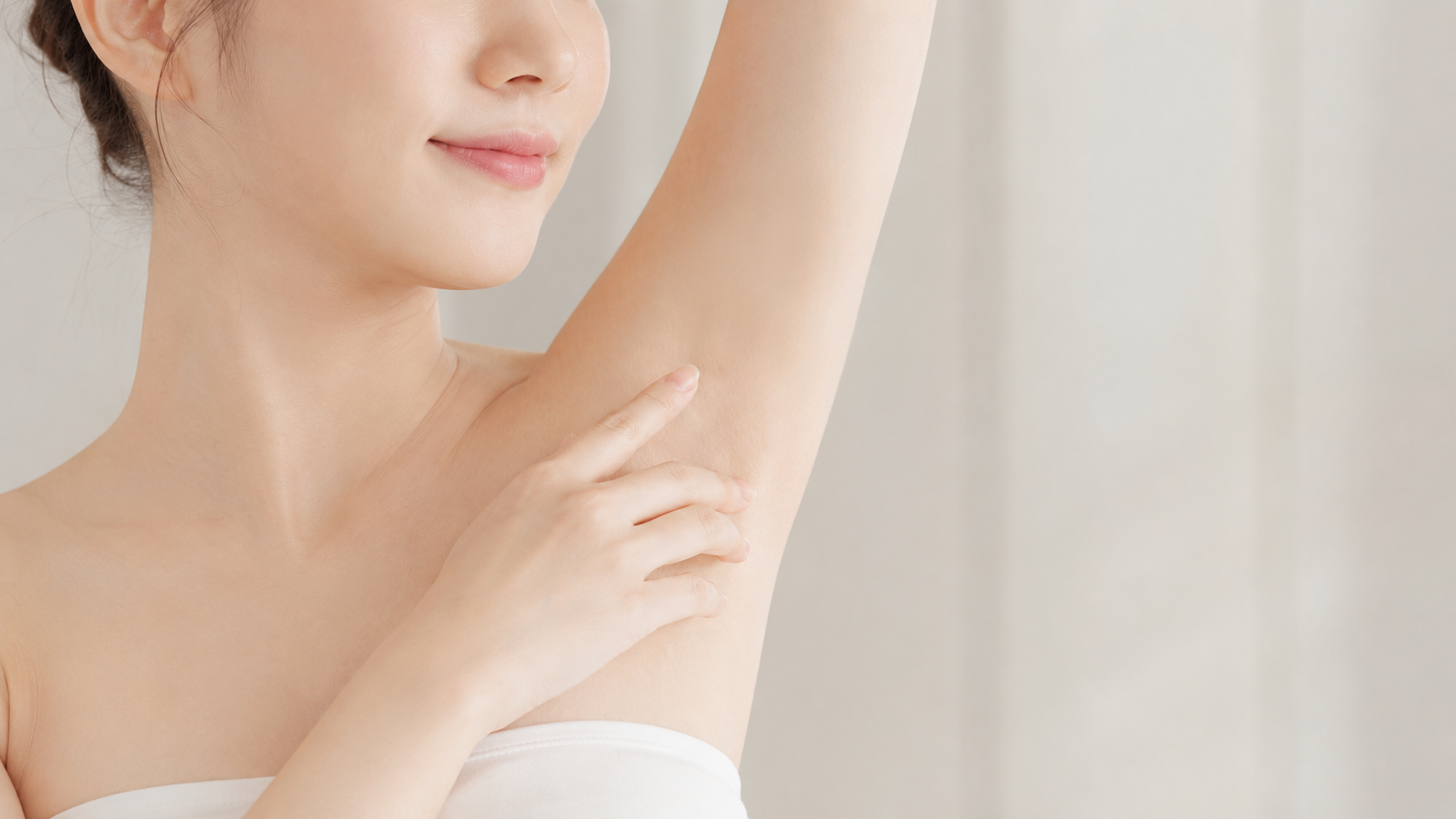
Laser Hair Removal in Songdo, Incheon | Songdo Human Dermatology
How laser hair removal works and what to keep in mind
Keywords: Laser Hair Removal in Songdo, Laser Hair Removal, Alexandrite Laser, Diode Laser, Laser Hair Removal Side EffectsAt Songdo Human Dermatology, patients ask us about hair removal on a regular basis. Once you understand how laser hair removal works, it is much easier to see why several sessions are needed and what types of hair respond best.How Does Laser Hair Removal Work?Laser hair removal relies on selective photothermolysis (using light energy to heat and destroy one specific target while sparing the surrounding skin). The laser light is absorbed by melanin, the pigment that gives hair its color, and is converted into heat that damages the hair follicle (the structure in the skin from which each hair grows). This suppresses new hair growth. Hair grows in cycles (growth, transition, and resting phases), so not every hair responds to a single treatment. That is why sessions are repeated a few weeks apart, typically over 3 to 6 months depending on the area.What Types of Hair Respond Best?Because the laser targets melanin, coarse, dark hair responds best, while white or blond hair with little pigment responds poorly. The greater the color contrast between the skin and the hair, the better the response. In patients with darker skin tones, melanin in the epidermis (the outer layer of the skin) also absorbs the laser light, which raises the risk of burns or pigment changes. To treat these skin tones more safely, we use a device that is less affected by surface pigment, such as the longer-wavelength Nd:YAG (1064 nm) laser.Treatment Options and What to ExpectThe main options are alexandrite (755 nm), diode (810 nm), and Nd:YAG (1064 nm) lasers, along with IPL (intense pulsed light, a broad-spectrum light source). Before treatment, the area is shaved so the hair is at skin level. Waxing or plucking removes the hair root — the laser's target — and makes the treatment less effective, so these methods should be avoided. Multiple sessions are needed, and even after long-term hair reduction, maintenance treatments may still be necessary. Before and after each session, strict sun protection helps prevent pigment changes.Side Effects and PrecautionsLaser hair removal is generally safe. Afterward, redness (erythema) and mild swelling around the follicles are common but usually resolve on their own. Rarely, pigment changes, folliculitis (inflammation of the hair follicles), reactivation of herpes simplex, or paradoxical hypertrichosis (an unexpected increase in hair growth around the treated area) can occur. The risk is lower when an experienced provider uses the right device and settings. In addition, if hair growth is excessive and a hormonal cause is suspected, an evaluation for an underlying condition may be needed — another reason to see a dermatologist first.Frequently Asked QuestionsQ. Is laser hair removal permanent?A. It is more accurate to think of it as long-term hair reduction rather than complete permanent removal. Even after hair is greatly reduced, some hair can grow back, so maintenance treatments may be needed. Results vary from person to person, so an in-person evaluation is the best way to know what to expect.Q. Why do I need multiple sessions?A. Hair grows in cycles, so not every hair responds to the laser at once. Sessions are repeated a few weeks apart, typically over 3 to 6 months depending on the area.Q. What about white hair or darker skin tones?A. The laser targets the pigment (melanin) in hair, so white or blond hair responds poorly. To treat darker skin tones more safely, we use a device that is less affected by surface pigment, such as the longer-wavelength Nd:YAG laser.If you are considering laser hair removal in Songdo, schedule a consultation so we can assess your hair and skin. From there, we can decide together which device to use and how many sessions to plan for your treatment area.This content is general information about laser hair removal provided at Songdo Human Dermatology. Diagnosis and treatment are determined during an in-person examination, based on each patient's individual condition.